
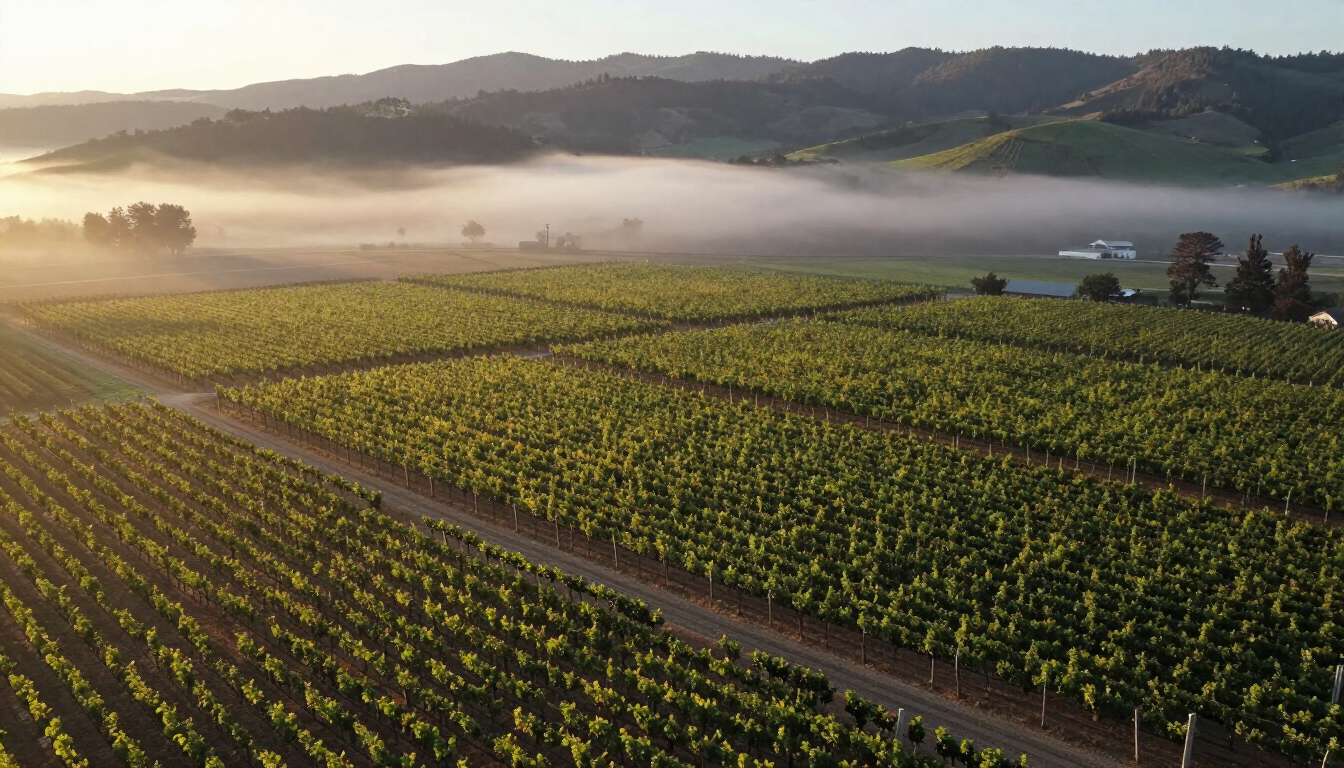
Vineyards
A Sense of Place
Napa Valley’s landscape, soils, and climate — the quiet authors of every vintage.
The Valley
Thirty Miles of Diversity
Napa Valley is small — barely thirty miles long — yet it holds one of the most varied grape-growing landscapes on earth. Raymond Hill wines draw on that diversity, from the fog-cooled southern reaches of Los Carneros to the sun-warmed benchlands of Oakville.
Each appellation contributes its own voice: structure from the hillsides, generosity from the valley floor, freshness from the bay’s cool breath. Our work is to listen — and to let each wine speak clearly of where it was grown.
The valley’s character, bottled with restraint.
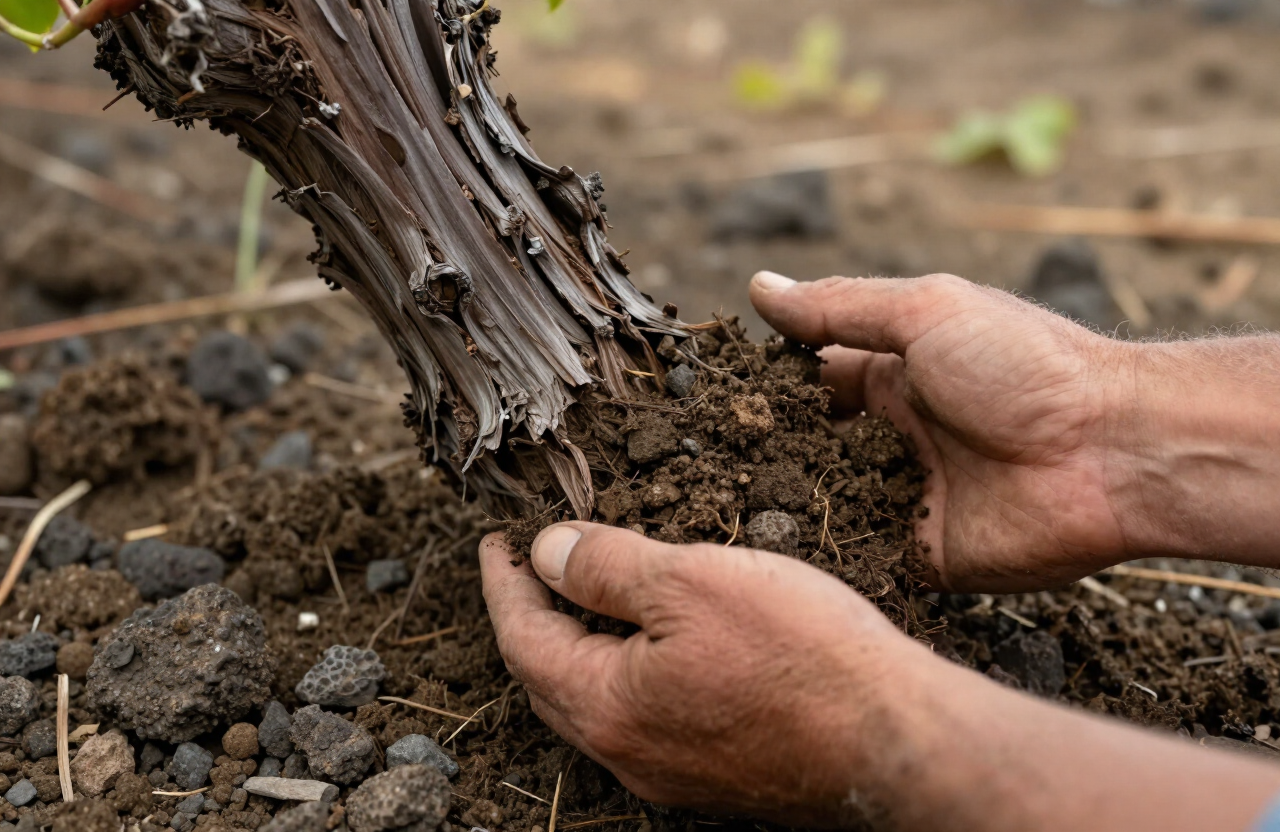
Benchland soils, Napa Valley — fig. 03
Soils & Sites
Three Soils, Three Voices
01
Volcanic
The hillsides
Rocky, well-drained slopes that stress the vine gently, yielding small berries of concentration and structure.
02
Alluvial
The valley floor
Gravelly benchland soils deposited over millennia — the source of supple, generous fruit with classic Napa depth.
03
Marine
The southern reaches
Cool, bay-influenced sites on ancient seabed soils, preserving freshness and aromatic lift in white varieties and Pinot Noir.
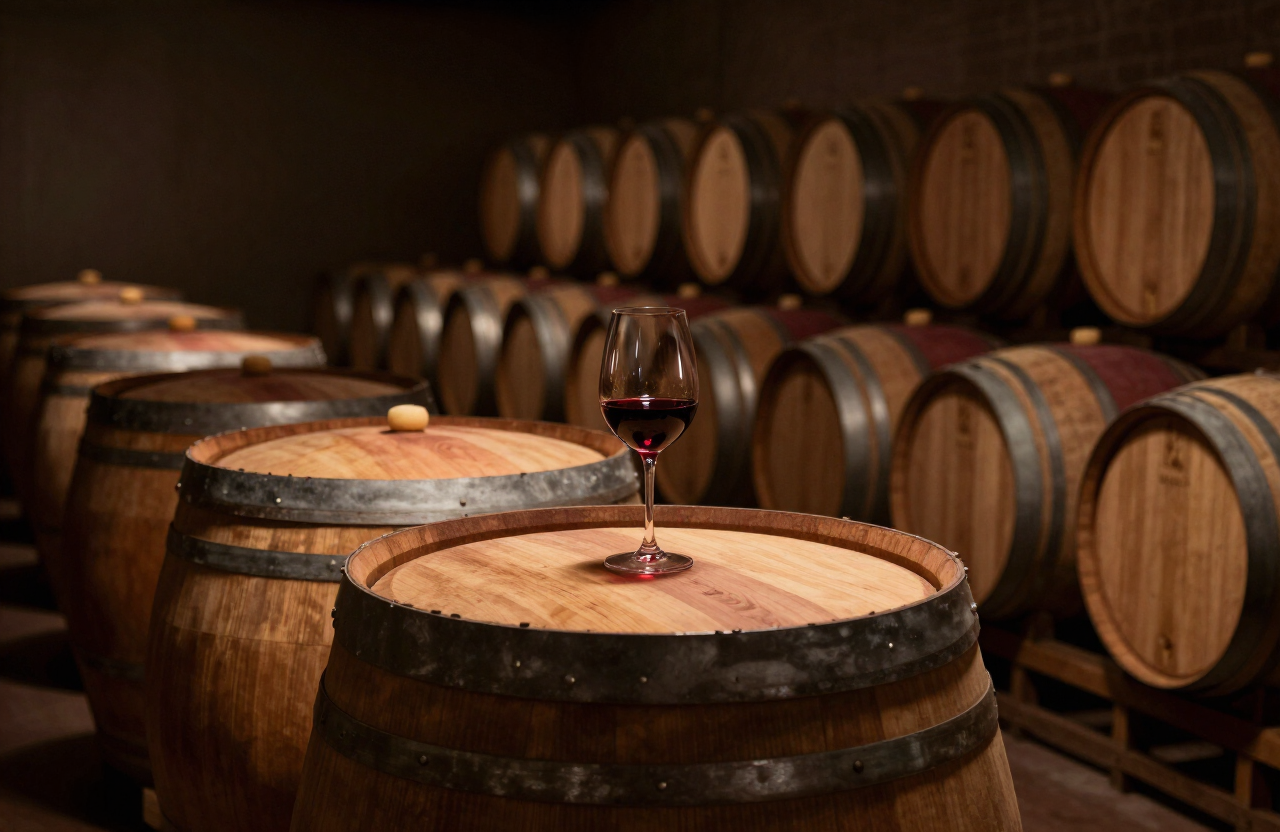
The aging room — fig. 04
Growing Conditions
Warm Days, Cool Nights
Morning fog rolls in from San Pablo Bay; afternoon sun ripens the fruit; evenings cool quickly. This daily rhythm — the diurnal shift — preserves acidity and aroma while flavors deepen slowly and evenly.
It is a climate that rewards patience, and it shapes every Raymond Hill wine: ripeness without heaviness, depth without excess.
Appellations of the Valley
- Oakville
- Rutherford
- St. Helena
- Los Carneros
- Howell Mountain
- Calistoga